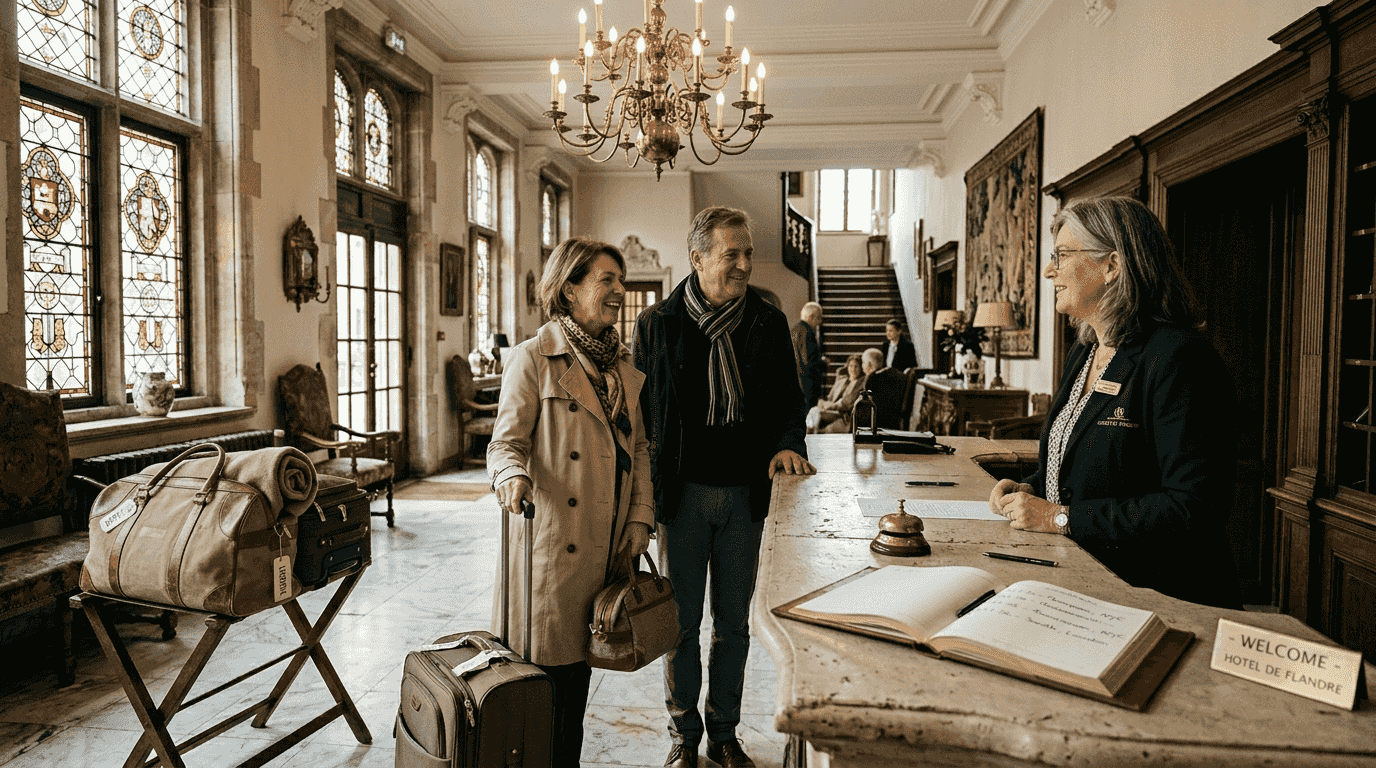


When you picture a hotel stay in Bruges, you might imagine a comfortable bed and a convenient location near tourist sites. But what if your hotel could be a cultural gateway, immersing you in centuries of local heritage through architecture, food, and traditions? Hotels in Bruges serve as living museums that preserve the city’s identity while connecting visitors to authentic culinary experiences. This guide reveals how selecting the right accommodation transforms your trip from a simple visit into a meaningful cultural journey that supports local artisans and deepens your understanding of Belgian heritage.
Table of Contents
- How Hotels Preserve And Showcase Bruges’ Cultural Heritage
- Local Cuisine’s Role Within Bruges Hotels: A Culinary Gateway
- Balancing Tourism Growth And Cultural Preservation In Bruges’ Hotel Scene
- How To Choose A Hotel In Bruges For An Authentic Cultural And Culinary Experience
- Experience Authentic Bruges Culture With Wildfoodz By Hotel Entree
Key takeaways
| Point | Details |
|---|---|
| Hotels as cultural hubs | Historic buildings and traditional offerings immerse guests in Bruges’ heritage |
| Culinary gateway | Local cuisine in hotels and recommended restaurants enhances cultural understanding |
| Economic support | Hotels collaborate with local chefs and artisans, strengthening the community |
| Sustainable tourism | City regulations balance visitor numbers with cultural preservation efforts |
How hotels preserve and showcase Bruges’ cultural heritage
Brugues hotels do more than provide a place to sleep. They function as active custodians of the city’s architectural legacy and cultural traditions. When you check into a property like Hotel de Orangerie, housed in a 15th-century convent, you step directly into history. The building’s original features, from exposed beams to stone walls, tell stories of medieval life while offering modern comfort.
Similarly, Dukes’ Palace blends historical elements with contemporary amenities to create spaces where past and present coexist. These properties maintain architectural integrity while adapting to traveler needs. You experience authentic atmosphere without sacrificing convenience.
Traditional offerings extend beyond physical structures. Many hotels organize afternoon tea services that follow Belgian customs, introducing you to local pastries and brewing methods. These experiences connect you with daily rituals that shaped community life for generations. Hotels become interpreters of culture, explaining context and significance in ways that enhance appreciation.
The preservation effort benefits both visitors and locals. By maintaining historic buildings as functional accommodations, hotels prevent decay and abandonment. They invest in restoration projects that keep craftsmanship skills alive. Local artisans find work repairing stonework, restoring woodwork, and maintaining period details.
Consider how these elements combine to create cultural immersion:
- Original architectural features transport you to different eras
- Staff members share historical context and local stories
- Traditional services introduce you to Belgian customs
- Collaboration with local craftspeople maintains authentic details
Pro Tip: Request rooms in original building sections rather than modern additions. These spaces offer the most authentic architectural experience and often include unique historical features.
Local cuisine’s role within Bruges hotels: a culinary gateway
Food serves as one of the most accessible entry points to understanding any culture. Hotels in Bruges recognize this connection and use dining experiences to deepen your cultural engagement. Belgium’s best breakfast at Hotel de Orangerie showcases regional specialties like fresh-baked breads, local cheeses, and Belgian waffles prepared using traditional methods.

These morning meals do more than fuel your day. They introduce you to ingredients and preparation styles that define Belgian cuisine. You taste the difference between mass-produced and artisanal products. Hotel staff explain the origins of dishes and recommend local producers where you can purchase items to take home.
Beyond their own kitchens, hotels act as culinary concierges. Hotel de Orangerie guides guests to authentic restaurants like Mémoire, where chefs prepare innovative takes on traditional recipes. This curation helps you avoid tourist traps and discover establishments where locals actually eat.
Hotel De Tuilerieën provides unique dining experiences featuring Belgian classics prepared with seasonal ingredients. Their menus change to reflect what’s available from nearby farms and fisheries. This approach connects you with the agricultural rhythms that have sustained the region for centuries.
The economic impact extends throughout the community. Hotels support local chefs and food artisans, creating demand for quality products and skilled preparation. When you eat breakfast at your hotel or dine at a recommended restaurant, your spending directly benefits local producers and culinary talent.

| Dish | Description | Where to try |
|---|---|---|
| Flemish Stew | Beef braised in Belgian beer with vegetables | Hotel De Tuilerieën restaurant |
| Waterzooi | Creamy chicken or fish stew with vegetables | Mémoire (recommended by Hotel de Orangerie) |
| Belgian Waffles | Authentic Liège or Brussels style with toppings | Hotel de Orangerie breakfast service |
| North Sea Shrimp | Gray shrimp prepared traditionally | Dukes’ Palace dining room |
Pro Tip: Ask your hotel concierge for restaurant recommendations that aren’t listed in major guidebooks. These hidden gems often provide more authentic experiences and better value.
Balancing tourism growth and cultural preservation in Bruges’ hotel scene
Bruges faces a challenge familiar to popular European destinations. The city receives 8 million visitors annually, creating strain on infrastructure, local culture, and quality of life for residents. Streets become congested, prices inflate, and the authentic character that attracted visitors begins to fade under commercial pressure.
Hotels sit at the center of this tension. They provide essential tourist infrastructure while potentially contributing to overtourism problems. The city recognizes this complexity and has implemented measures to promote sustainable tourism that protects cultural heritage.
Bruges is limiting new hotels and Airbnbs to focus on quality over quantity. Rather than maximizing visitor numbers, city planners prioritize travelers who engage meaningfully with local culture and contribute economically beyond basic spending.
These regulations affect your hotel options and experience. You’ll find fewer budget accommodations and more properties emphasizing cultural immersion. This shift aligns with the goal of attracting visitors who appreciate and respect local heritage.
“We want visitors who come to experience our culture, not just take selfies and leave. Quality tourism means guests who stay longer, spend locally, and respect our community.”
City tourism management strategies include:
- Tourist taxes that fund heritage preservation and infrastructure improvements
- Limits on new accommodation licenses to control visitor capacity
- Promotion of off-season travel to distribute impact throughout the year
- Support for hotels that demonstrate commitment to cultural preservation
- Restrictions on day-trippers in favor of overnight guests who contribute more economically
These measures create a better experience for you as a visitor. Less crowding means easier access to attractions and more opportunities for authentic interactions with locals. Hotels can maintain quality standards without competing solely on price.
The approach also protects what makes Bruges special. By preventing the erosion of local culture through overtourism, the city ensures future visitors can enjoy genuine experiences rather than commercialized imitations.
Pro Tip: Visit during shoulder seasons (March to May or September to November) when crowds thin but weather remains pleasant. You’ll enjoy better hotel rates and more authentic local interactions.
How to choose a hotel in Bruges for an authentic cultural and culinary experience
Selecting the right hotel determines how deeply you engage with Bruges’ culture and cuisine. Not all accommodations offer equal access to authentic experiences. Use these criteria to identify properties that will enrich your visit.
Prioritize hotels in historic buildings that maintain original architectural features. These properties provide immediate immersion in the city’s heritage. Check whether rooms occupy original sections or modern additions, as this affects authenticity.
Evaluate dining offerings and restaurant recommendations. Hotels that curate culinary experiences understand their role as cultural ambassadors. Look for properties that feature local ingredients, offer traditional breakfast items, and maintain relationships with authentic nearby restaurants.
Location matters for cultural access. Central positions near historic sites allow easy exploration on foot, reducing reliance on transportation and increasing spontaneous discoveries. However, some slightly removed locations offer quieter experiences while remaining walkable to main attractions.
| Hotel | Historic charm | Culinary offerings | Location advantage |
|---|---|---|---|
| Hotel de Orangerie | 15th-century convent building | Belgium’s best breakfast, restaurant recommendations | Canal-side in historic center |
| Dukes’ Palace | Restored historic palace | Local specialties, North Sea ingredients | Steps from main square |
| Hotel De Tuilerieën | Traditional Bruges architecture | Belgian classics, seasonal menus | Quiet street near attractions |
Questions to ask when booking:
- Does the hotel occupy a historic building with original features?
- What local dishes appear on breakfast or dining menus?
- Can staff recommend authentic restaurants beyond tourist areas?
- Does the property collaborate with local food producers or artisans?
- What cultural context or historical information do they provide guests?
Consider packages that include culinary experiences or cultural tours. Some hotels partner with local guides to offer walking tours focused on food history or architectural heritage. These additions transform your stay from passive accommodation to active cultural engagement.
Read reviews from travelers who prioritize cultural experiences over luxury amenities. Their feedback reveals whether a hotel delivers authentic immersion or simply markets itself that way. Look for mentions of staff knowledge, quality of local recommendations, and genuine historical character.
If you’re interested in exploring Bruges through alternative accommodation options that connect you directly with locals, consider home exchange programs in Bruges that offer unique cultural perspectives.
Pro Tip: Book directly with hotels rather than through third-party sites. Direct bookings often include perks like room upgrades, flexible cancellation, and better access to staff knowledge about local culture and dining.
Experience authentic Bruges culture with Wildfoodz by Hotel Entree
After learning how hotels connect you with Bruges’ cultural and culinary heritage, you’re ready to experience it firsthand. Wildfoodz by Hotel Entree offers the perfect complement to your culturally immersive hotel stay.

Wildfoodz specializes in fresh, colorful meals that celebrate local ingredients and healthy eating traditions. Their bowls, salads, and wraps feature superfoods and seasonal produce prepared daily. The Instagram-worthy presentations reflect Bruges’ artistic heritage while the extensive vegan options accommodate modern dietary preferences.
Whether you’re exploring the city on foot or relaxing at your hotel, Wildfoodz provides convenient access to quality local food through takeaway and delivery services. This February 2026, try their Red Velvet Heart Waffles, a special Valentine’s offering that combines Belgian waffle tradition with contemporary culinary creativity. It’s the kind of authentic yet innovative experience that defines Bruges’ evolving food culture.
Frequently asked questions
What is the role of hotels in preserving Bruges local culture?
Hotels preserve Bruges’ heritage by maintaining historic buildings as functional accommodations, preventing decay while showcasing architectural traditions. They offer traditional services like afternoon tea that introduce guests to Belgian customs and daily rituals. By investing in restoration and employing local craftspeople, hotels keep traditional skills alive while providing authentic cultural experiences that educate visitors about the city’s history.
How do hotels in Bruges support local cuisine and chefs?
Hotels feature regional specialties and local ingredients in their dining services, creating demand for quality artisanal products. They recommend authentic restaurants where talented chefs prepare traditional and innovative Belgian dishes, directing tourist spending toward local culinary talent. This collaboration strengthens the food community economically while ensuring visitors experience genuine flavors rather than generic tourist fare.
What challenges does Bruges face with overtourism affecting hotels?
Bruges struggles with 8 million annual visitors who strain infrastructure and threaten the authentic character that attracts tourists. The city has implemented regulations limiting new hotel and Airbnb licenses to control capacity and promote quality tourism. Tourist taxes fund preservation efforts while restrictions on day-trippers favor overnight guests who contribute more to the local economy and engage more deeply with culture.
Which Bruges hotels offer the most authentic cultural experiences?
Hotel de Orangerie, housed in a 15th-century convent, provides immersive historical atmosphere with Belgium’s best breakfast and expert local restaurant recommendations. Dukes’ Palace combines restored palace architecture with dining featuring North Sea ingredients and traditional preparations. Hotel De Tuilerieën offers Belgian classics in a traditional setting with seasonal menus that reflect regional agricultural rhythms. All three properties prioritize cultural education alongside comfortable accommodation.
How can I avoid contributing to overtourism in Bruges?
Visit during shoulder seasons when crowds thin, allowing more authentic local interactions and better hotel rates. Choose accommodations that demonstrate cultural preservation commitment rather than budget options that maximize capacity. Stay multiple nights instead of day-tripping, as overnight guests contribute more economically and have time for deeper cultural engagement. Support local restaurants, artisans, and guides recommended by your hotel rather than international chains or tourist traps.
Leave a Reply