

TL;DR:
- Local gastronomy focuses on traditional foods, techniques, and ingredients unique to small communities shaped by local culture and environment. It emphasizes seasonality, authenticity, and preservation of culinary heritage, resisting global homogenization and over-commercialization. Exploring local markets and supporting community-based eateries allows for a genuine experience of place-specific flavors and traditions.
Local gastronomy is defined as the traditional foods, cooking methods, and ingredients specific to a particular small geographic community, shaped by its history, environment, and culture. It differs from national or even regional cuisine by operating at a far more granular level. Where French cuisine describes an entire country’s food identity, local gastronomy captures what a single coastal village or mountain town eats on a Tuesday. This guide breaks down what local gastronomy means, why it matters, and how you can explore it, including through experiences like the Red Velvet Heart Waffles at Wildfoodzbyhotelentree, which draw on locally inspired ingredients and bold, place-specific flavor choices.
What is local gastronomy and how does it differ from regional cuisine?
Local gastronomy encompasses traditional foods, cooking styles, and ingredients tied to specific small geographic areas, reflecting local history and environment. This is the foundational distinction that most food guides miss. Regional cuisine describes a broad territory, say, the American South or Tuscany. Local gastronomy zooms in further, to the level of a single town, neighborhood, or farming community.
The scale difference is not just geographic. It is also about specificity of flavor, technique, and ingredient sourcing. A regional cuisine might share a general flavor profile across hundreds of miles. Local gastronomy, by contrast, changes over short distances due to micro-climates, soil composition, and social history. The cheese made in one valley tastes different from the cheese made two valleys over, even when both fall under the same regional label.
Global food trends push in the opposite direction. Fast food chains, international supply chains, and social media food culture all flatten local distinctions into something universally recognizable and commercially safe. Local gastronomy resists that pull by staying rooted in place.
| Dimension | Regional cuisine | Local gastronomy |
|---|---|---|
| Geographic scale | Broad territory (state, province, country zone) | Single town, village, or community |
| Ingredient sourcing | Often mixed, some imported | Hyper-local, seasonally driven |
| Cultural specificity | General traditions shared across a region | Unique rituals, techniques, and stories |
| Vulnerability to trends | Moderate | High, requires active preservation |

Why local ingredients are the foundation of authentic food culture
Local ingredients are not just a sourcing preference. They are the structural backbone of any authentic culinary heritage. Seasonal and local cooking delivers superior nutrition and flavor while reducing food waste, because ingredients harvested at their natural peak carry more nutrients and taste than those shipped across continents.
The importance of local ingredients goes beyond flavor. Consider these core reasons why sourcing locally defines the character of a food culture:
- Flavor integrity: Produce grown in its native soil and climate develops complexity that imported equivalents cannot replicate. Heirloom tomatoes grown in volcanic soil in Sicily taste nothing like the same variety grown in a greenhouse in January.
- Nutritional density: Ingredients lose nutrients during long transport. Local sourcing shortens that window dramatically.
- Economic circulation: Shortening food supply chains reduces carbon footprint and keeps capital within communities, supporting small farmers and producers directly.
- Ecological relationships: Ingredients represent relationships embedded in ecological and cultural context, not just raw materials. Traditional storage methods, seasonal rhythms, and community knowledge all travel with a locally sourced ingredient.
- Food security: Research shows that 46% of global south interventions on local food security focused on home gardens, prioritizing local over imported ingredients for nutritional supplementation.
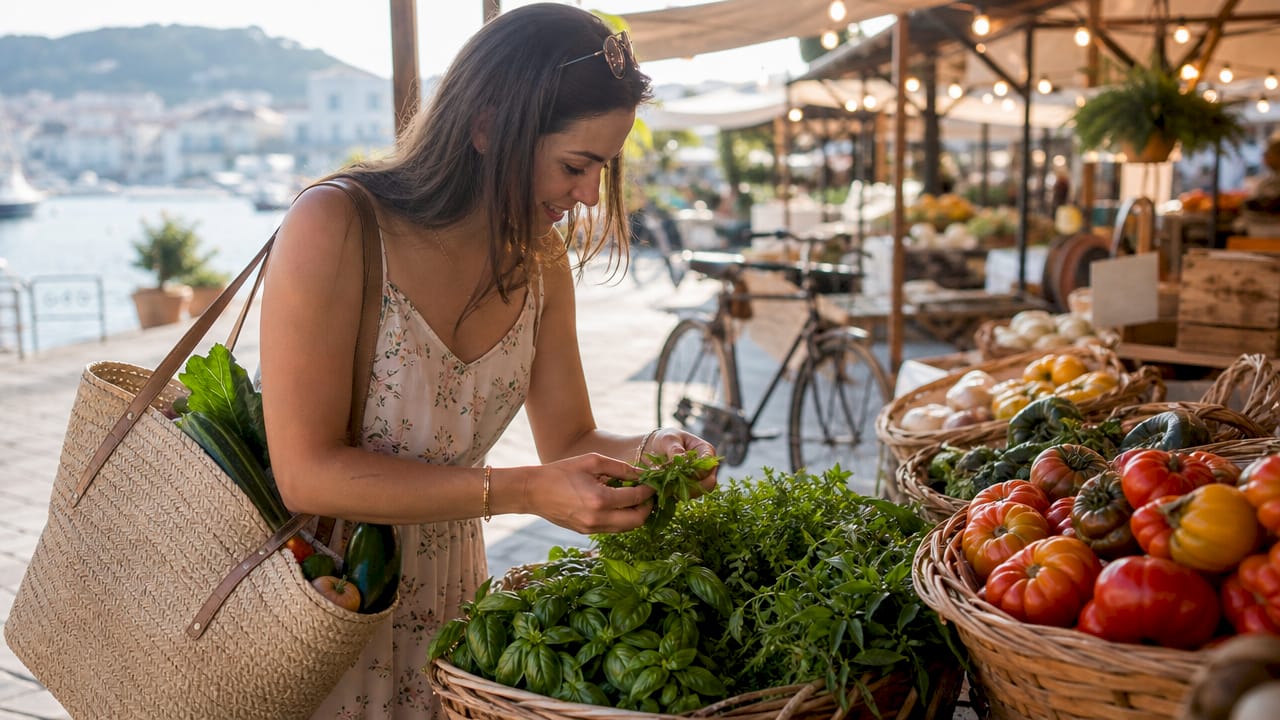
Pro Tip: When exploring local gastronomy in a new place, visit a farmers market before you visit a restaurant. The ingredients available at the market tell you exactly what the local kitchen is built around, and what is genuinely in season.
Wildfoodzbyhotelentree applies this principle directly. The Red Velvet Heart Waffles, featured throughout February 2026, use ingredients chosen for their visual vibrancy and flavor depth, reflecting the same philosophy that drives great local food culture: start with what is real, fresh, and specific to the moment.

How local food traditions preserve cultural heritage
Local gastronomy functions as a cultural archive, preserving culinary traditions that carry collective memory and community identity. A dish is never just a dish. It is a record of who lived in a place, what they grew, how they cooked, and what they celebrated. When that dish disappears, something irreplaceable goes with it.
The threats to traditional food practices are real and accelerating. Modernization, commercial food production, and the global homogenization of taste all pressure local cooks to simplify, substitute, or abandon techniques that took generations to develop. In Japan, groups of women are actively working to document and revive Ryukyuan cuisine from Okinawa, a food tradition at serious risk of being lost within a generation.
Preserving local food heritage follows a recognizable pattern across cultures:
- Document the techniques. Traditional cooking methods, fermentation processes, and preparation rituals must be recorded before the practitioners who carry them are gone.
- Teach the next generation. Food heritage survives through practice, not just documentation. Community cooking programs and apprenticeships keep techniques alive in living kitchens.
- Source the original ingredients. Many traditional dishes depend on specific heirloom varieties or wild-harvested ingredients. Preserving those ingredient sources is as important as preserving the recipes.
- Celebrate publicly. Food festivals, local restaurant menus, and community events create demand for traditional dishes, which creates economic incentive to keep making them.
“Preserving unique cooking techniques prevents the irreparable loss of cultural fabric. Food is not just sustenance. It is the most tangible expression of who a community is and where it came from.”
Understanding local dishes means understanding the people who created them. That is why culinary heritage is not a niche concern for food historians. It is a matter of cultural survival.
Local gastronomy’s role in sustainability and community development
Local gastronomy and sustainability are structurally linked. When a community eats what it grows, processes, and prepares locally, the economic and environmental benefits compound. Gastronomy is a strategic driver of tourism, facilitating rural development and intercultural exchange through community-based models that prioritize heritage preservation. UN Tourism identifies gastronomic tourism as one of the most effective tools for sustainable rural development when managed correctly.
The sustainability benefits of local food systems show up across multiple dimensions:
| Sustainability dimension | Impact of local gastronomy |
|---|---|
| Carbon footprint | Shorter supply chains reduce transport emissions significantly |
| Local economy | Revenue stays within the community, supporting small producers |
| Biodiversity | Demand for heirloom varieties incentivizes farmers to maintain crop diversity |
| Cultural tourism | Authentic food experiences attract visitors seeking genuine connection |
| Food waste | Seasonal menus reduce overproduction and surplus disposal |
The risk, however, is real. Over-commercialization dilutes traditional flavors to appeal to mass tourists, undermining the very uniqueness that made a local food culture worth visiting. Banjar ethnic gastronomy in Indonesia, for example, faces pressure from tourism demand that pushes local restaurants toward simplified, crowd-pleasing versions of traditional dishes. Flavor homogenization is the predictable result.
Pro Tip: If you are traveling and want to support local gastronomy authentically, eat where locals eat. A restaurant that serves the same menu in three languages and has photos of every dish on the wall is almost certainly optimizing for tourists, not tradition.
Exploring Highland culinary traditions in Scotland offers a strong example of how local food culture can be preserved and shared without losing its identity. The key is community ownership of the food narrative, not outsourcing it to commercial interests.
Key takeaways
Local gastronomy is defined by place, shaped by ingredients, and preserved through active community practice. Without deliberate effort, it disappears into the global food mainstream.
| Point | Details |
|---|---|
| Definition of local gastronomy | Traditional foods and techniques tied to a specific community, not a broad region. |
| Role of local ingredients | Seasonal, locally sourced ingredients deliver superior flavor, nutrition, and economic benefit. |
| Cultural preservation | Local food traditions act as living archives of community identity and must be actively maintained. |
| Sustainability link | Local food systems reduce carbon footprint, support small producers, and drive authentic tourism. |
| Biggest threat | Over-commercialization and flavor homogenization erode the uniqueness that defines local gastronomy. |
Why I think most people experience local gastronomy wrong
I have spent years watching people travel specifically to eat local food, then spend their entire trip in restaurants that have been optimized for exactly that kind of visitor. They eat a version of local gastronomy that has been sanded down, translated, and plated for Instagram. They leave thinking they experienced something authentic. They did not.
The real thing is messier, more specific, and far more interesting. It is the grandmother’s fermentation technique that no cookbook has ever documented. It is the ingredient that only grows in one specific field during three weeks of the year. It is the dish that tastes completely different depending on which family made it, because each family’s version carries its own history.
What I find most compelling about local gastronomy is that it is never finished. It negotiates tradition with modern resources continuously, which means it is always alive. The mistake is treating it like a museum exhibit, something to observe from a distance. The right approach is to participate. Buy from local producers. Ask questions. Eat the thing that does not have an English description on the menu.
Wildfoodzbyhotelentree gets this right with the Red Velvet Heart Waffles. The dish is specific, seasonal, and visually bold. It does not pretend to be something universal. It is exactly what it is, made with intention, for a particular moment in a particular place. That is the spirit of local gastronomy, even when it comes in waffle form.
— Mawghan
Taste local gastronomy at Wildfoodzbyhotelentree in Brugge

Wildfoodzbyhotelentree brings local food culture to life through fresh bowls, vibrant salads, wraps, and specialty drinks prepared daily in Brugge. Every dish reflects a commitment to real ingredients and bold, place-specific flavor. Throughout February 2026, the menu features the Red Velvet Heart Waffles, a Valentine’s Day specialty that captures the brand’s signature approach: visually striking, ingredient-forward, and made with genuine care. Extensive vegan options include superfoods like acai. Order for takeaway, or get delivery through Deliveroo, UberEats, or Takeaway.com, with self-delivery available within a 20-mile radius. If you are in Brugge and want to experience what thoughtful, locally inspired food actually tastes like, this is where to start.
FAQ
What is local gastronomy in simple terms?
Local gastronomy is the traditional food, cooking methods, and ingredients specific to a small geographic community. It reflects that community’s history, environment, and culture at a town or neighborhood level.
How does local gastronomy differ from regional cuisine?
Regional cuisine covers a broad territory like a state or country zone. Local gastronomy is more specific, describing the food identity of a single town or community, often shaped by micro-climates and local social history.
Why does local gastronomy matter for sustainability?
Local food systems shorten supply chains, reduce carbon emissions, and keep economic value within communities. UN Tourism identifies gastronomic tourism built on local heritage as a proven driver of sustainable rural development.
What threatens local gastronomy today?
Over-commercialization is the primary threat. When local dishes are simplified to appeal to mass tourism, flavor homogenization follows, and the unique culinary identity that defined the food culture is lost.
How can I explore local gastronomy when traveling?
Visit farmers markets before restaurants, eat where locals eat, and look for dishes with no English translation on the menu. Restaurants like ASSAIA in Brooklyn demonstrate how regional culinary techniques can be honored without being diluted for a mass audience.
Recommended
- Top 3 happycow.net Alternatives Providers 2026 – Wild Foodz by Hotel Entree Brugge
- Must-Try Vegan Foods in Brugge: 2026 Guide – Wild Foodz by Hotel Entree Brugge
- How to Book a Weekend Stay and Get the Best Deal – Wild Foodz by Hotel Entree Brugge
- Food Delivery Process in Brugge: Your 2026 Guide – Wild Foodz by Hotel Entree Brugge
Leave a Reply