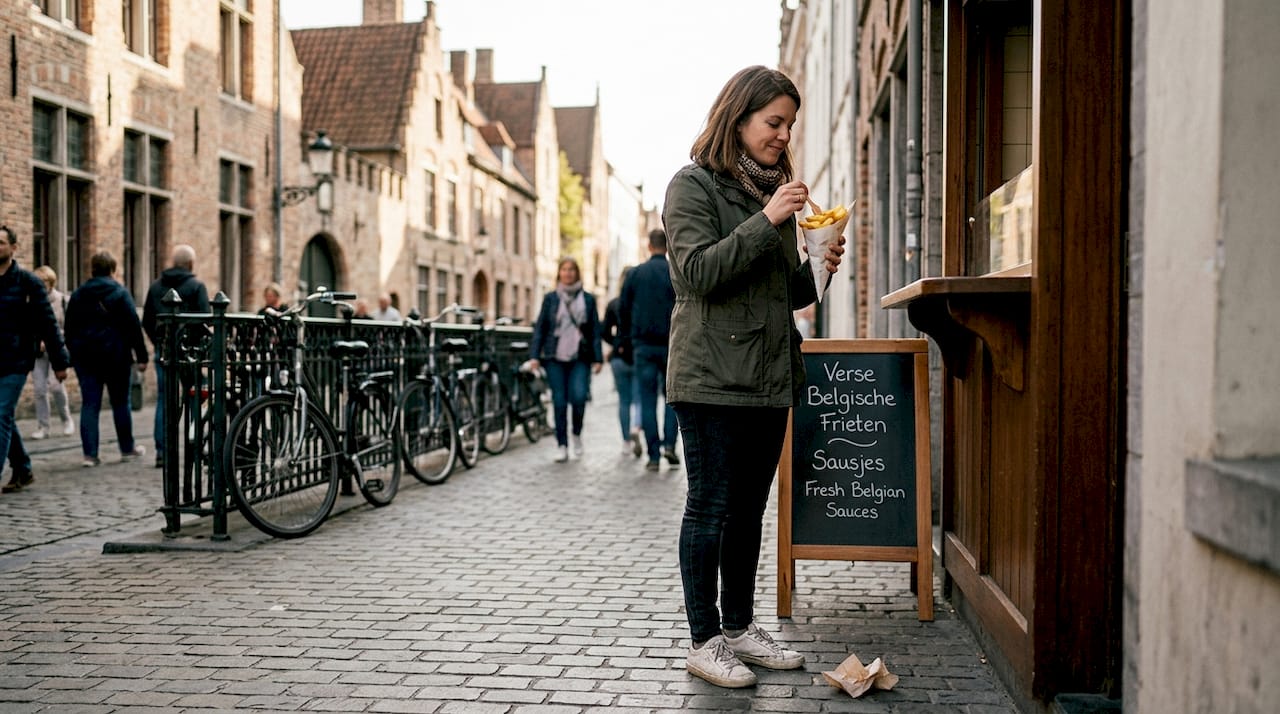


Picture yourself standing in the heart of Brugge, surrounded by cobblestone streets, canal reflections, and the smell of fresh waffles drifting from a nearby stall. You have one day, maybe two, and the food options feel endless. Core local delicacies in Brugge include Belgian frites, artisan chocolate, Liège waffles, Trappist beer, Flemish stew, and local cheeses, and that’s before you even consider the modern, health-forward spots popping up across the city. Without a plan, it’s easy to waste precious hours wandering or settling for tourist traps. This guide gives you a clear, step-by-step path to experiencing Brugge’s food scene the right way.
Table of Contents
- What to expect from the Brugge food scene
- Guided vs self-guided Brugge food tours: Which is best for you?
- Brugge food tour essentials: What you need before you start
- Step-by-step: Sample Brugge food tour itinerary
- Troubleshooting: Mistakes to avoid on your Brugge food tour
- How to make the most of your Brugge culinary adventure
- Start your Brugge food adventure with a curated local experience
- Frequently asked questions
Key Takeaways
| Point | Details |
|---|---|
| Choose your tour style | Decide between a guided or self-guided Brugge food tour for the right balance of expertise and flexibility. |
| Plan for variety | Incorporate classic flavors and modern healthy dining to get a true taste of Brugge’s evolving food scene. |
| Prepare and book ahead | Secure bookings, pack smart, and communicate dietary needs to avoid the most common travel mistakes. |
| Savor and explore | Take time at each stop to interact, learn, and enjoy both famous sites and hidden gems for a richer experience. |
What to expect from the Brugge food scene
Brugge is not just a postcard city. It’s a living, breathing culinary destination where centuries-old recipes sit comfortably next to creative, plant-based menus. The value of local cuisine goes far beyond taste. It connects you to a place’s history, its people, and its identity.
Here’s a quick look at the core Brugge food specialties you should know before you arrive:
- Belgian frites: Thick-cut, double-fried, and served in a paper cone with your choice of sauce. Look for friteries near the Markt square.
- Artisan chocolate: Brugge has over 50 chocolate shops. Skip the chain stores and head to smaller ateliers for handmade pralines.
- Liège waffles: Denser and sweeter than Brussels waffles, with caramelized sugar pearls baked right in.
- Trappist beer: Brewed by monks, these ales are complex and deeply satisfying. Try them at a traditional brown café.
- Flemish stew (stoofvlees): A rich beef stew slow-cooked in Belgian ale, often served over frites.
- Local cheese: Aged Flemish varieties pair beautifully with beer and crusty bread.
Beyond the classics, Brugge has a growing modern food scene. Spots like Atelier Flori serve inventive vegan tapas, while That’s Toast offers creative open-faced meals that feel fresh and filling. You can even find seaweed croquettes if you’re feeling adventurous. Balance classics like frites and stew with modern vegan spots such as Atelier Flori and That’s Toast for a well-rounded experience.
“The best Brugge food experiences happen when you mix the traditional with the unexpected. Don’t just eat what you know. Eat what the city is proud of.”
Pro Tip: Avoid restaurants directly on the Markt square for sit-down meals. Prices are higher and quality is often lower. Walk one or two streets back for more authentic, better-value options.

Guided vs self-guided Brugge food tours: Which is best for you?
Now that you know what’s on the menu, decide how you’ll experience it. Both approaches have real merit, and the right choice depends on your travel style.
Guided food tours offer expert history and context along with access to hidden spots, but they cost more and follow a fixed itinerary. Self-guided tours give you freedom, lower costs, and the thrill of discovery, but you risk missing the stories behind the food.
| Feature | Guided tour | Self-guided tour |
|---|---|---|
| Cost | €129 and up per person | Variable, often lower |
| Duration | 3 to 3.5 hours | Flexible |
| Historical context | Included | Research required |
| Dietary flexibility | Available if requested | Fully flexible |
| Hidden gems access | High | Moderate |
| Group size | Small (6 to 12 people) | Solo or custom |
Guided tours typically include:
- Multiple tastings across 5 to 8 stops
- A local guide who speaks the language of the food
- Pre-arranged access to spots not always visible to tourists
- A full meal component in some packages
Self-guided tours work best when you enjoy spontaneity, have dietary needs that are hard to communicate in advance, or simply prefer to move at your own pace.
Pro Tip: If you’re a first-time visitor to Brugge, a guided tour for the morning and a self-guided afternoon gives you the best of both worlds. You get the context early, then the freedom to revisit your favorites.
Brugge food tour essentials: What you need before you start
Ready to set your plan in motion? Here’s what to assemble before you hit the medieval streets.
| Essential | Details |
|---|---|
| Comfortable shoes | Cobblestones are uneven; expect 3 or more km of walking |
| Booking confirmation | Print or save digitally; guided tours fill fast |
| Cash and cards | Some small vendors are cash only |
| Rain jacket | Brugge weather shifts quickly, especially in spring and fall |
| Dietary notes | Written list of allergies or preferences in Dutch or French |
Book guided tours in advance through platforms like TripAdvisor or GetYourGuide, pay attention to group sizes, and communicate dietary needs up front. Small group tours sell out weeks ahead during peak season.
For timing, spring (April to May) and fall (September to October) offer the most pleasant walking weather and manageable crowds. Summer brings more tourists and longer lines at popular food stops.
A sample itinerary can help you map out your route before you arrive, so you’re not making decisions on an empty stomach.
“Preparation is the difference between a stressful food crawl and a genuinely memorable culinary day. Know your route, your stops, and your backup options.”
Pro Tip: Book morning tours (starting around 10 a.m.) or evening tours (starting after 6 p.m.) to avoid the midday lunch rush at popular spots. You’ll get fresher food and more attentive service.
Step-by-step: Sample Brugge food tour itinerary
With your checklist complete, let’s see how a day tasting Brugge’s finest actually unfolds. This self-guided itinerary starts at Markt and Burg, with stops for frites, chocolate, waffles, local beer, brewery tours, and Flemish stew.
- 9:00 a.m. Markt square: Start with a coffee and a fresh Liège waffle from a street vendor. The square is quieter in the morning and easier to enjoy.
- 10:00 a.m. Chocolate atelier: Visit a small artisan shop near Burg square. Watch pralines being made and sample two or three varieties.
- 11:30 a.m. Friterie stop: Find a local friterie away from the main square. Order a cone of frites with andalouse or samurai sauce.
- 1:00 p.m. Canal cruise: A 30-minute boat ride gives your feet a rest and your eyes a new perspective on the city.
- 2:30 p.m. Brewery visit: The Halve Maan Brewery offers tours with tastings. Book ahead. Their Brugse Zot beer is a must-try.
- 4:30 p.m. Beer wall or local café: Explore the famous beer wall at 2be or settle into a brown café for a Trappist ale.
- 7:00 p.m. Dinner: End with a bowl of stoofvlees at a neighborhood restaurant. Pair it with a local ale and crusty bread.
Quick stats: A full-day Brugge walking plan covers roughly 5 to 7 km on foot. You’ll sample anywhere from 8 to 12 different foods and drinks across the day. Pace yourself. This is not a race.

If you’re doing a half-day, focus on stops 1 through 4 and save the brewery for another visit or a future trip.
Troubleshooting: Mistakes to avoid on your Brugge food tour
Now, to keep your foodie adventure stress-free, let’s cover some common blunders and how to sidestep them.
Common mistakes to avoid:
- Not booking ahead: Guided tours have limited seats. Last-minute bookings often mean no spots available.
- Skipping dietary communication: If you have allergies, tell your tour operator before the day, not on arrival.
- Ignoring the weather forecast: Brugge can go from sunny to rainy in an hour. Flex tickets and evening tours help you adapt when weather forces cancellations.
- Wearing the wrong shoes: High heels or flat dress shoes on cobblestones will ruin your day faster than bad food.
- Overeating at the first stop: Pace yourself. The best bites often come later in the tour.
For those with specific dietary needs, vegetarian dining solutions are more accessible than ever in Brugge. Spots like Atelier Flori and That’s Toast cater to plant-based eaters without sacrificing flavor or creativity.
“The most common regret from Brugge food tourists is not having a backup plan. Always know your next option if a stop is closed or fully booked.”
Pro Tip: Save two or three alternative restaurant names in your phone before you leave your hotel. If your first choice is packed, you’ll have a backup ready without scrambling.
How to make the most of your Brugge culinary adventure
You’re ready to eat, but here’s how to transform great food into an unforgettable experience.
Tours rated 4.5 to 5.0 stars consistently highlight evening experiences as more local and authentic, with fewer tourists and more relaxed vendors. That’s worth keeping in mind when you schedule your day.
Here’s how to get the most out of every stop:
- Mix at least one classic dish with one modern or unexpected option at each meal
- Try at least one local beer you’ve never heard of before
- Chat with market sellers and small shop owners. They know things no guidebook will tell you.
- Slow down between stops. Sit. Look around. Let the city settle into you.
- Visit discovering modern dining concepts for inspiration on blending tradition with fresh ideas
Pro Tip: Take a photo of every dish before you eat it, and jot a quick two-word note about the flavor. Memories fade fast, but a photo and a word like “smoky” or “bright” will bring it all back months later.
The goal isn’t to check off a list. It’s to leave Brugge with a few flavors you’ll spend years trying to recreate at home. That’s the real souvenir.
Start your Brugge food adventure with a curated local experience
If you want local expertise and zero guesswork, here’s your next step.
Planning a food tour in Brugge takes research, timing, and a good sense of what you actually want from the experience. That’s exactly where a curated local partner makes the difference.

At Wildfoodz by Hotel Entree, we bring together the best of Brugge’s culinary world with a health-conscious, vibrant twist. Think fresh bowls, colorful wraps, superfood-packed salads, and specialty drinks made daily. Our vegan options feature ingredients like acai and chia seeds, and every plate is built to look as good as it tastes. Whether you’re grabbing a quick takeaway between stops or ordering delivery through Deliveroo, UberEats, or Takeaway.com, we make it easy to eat well while you explore. This February 2026, we’re also featuring our Red Velvet Heart Waffles for Valentine’s Day, a sweet, Instagram-worthy treat you won’t want to miss.
Frequently asked questions
What is the best time of year for a Brugge food tour?
Spring and fall offer ideal weather and manageable crowds, making walking and tasting far more enjoyable than the busy summer months.
Can I join a Brugge food tour with dietary restrictions?
Yes. Many guided tours accommodate allergies or vegetarian needs if you notify the organizer in advance. Self-guided options give you complete control over every stop.
How much does a Brugge guided food tour cost?
Prices for guided tours typically start around €129 per person for a 3 to 3.5 hour experience that includes multiple tastings and a local guide.
Is it easy to find vegetarian or vegan food in Brugge?
Absolutely. Modern vegan options like Atelier Flori and That’s Toast offer creative, satisfying meals that go well beyond salads and side dishes.
Do I need to book Brugge food tours in advance?
Yes, especially for guided tours. Limited seats and high seasonal demand mean popular tours fill up weeks ahead. Book early to secure your preferred date and time.
Leave a Reply