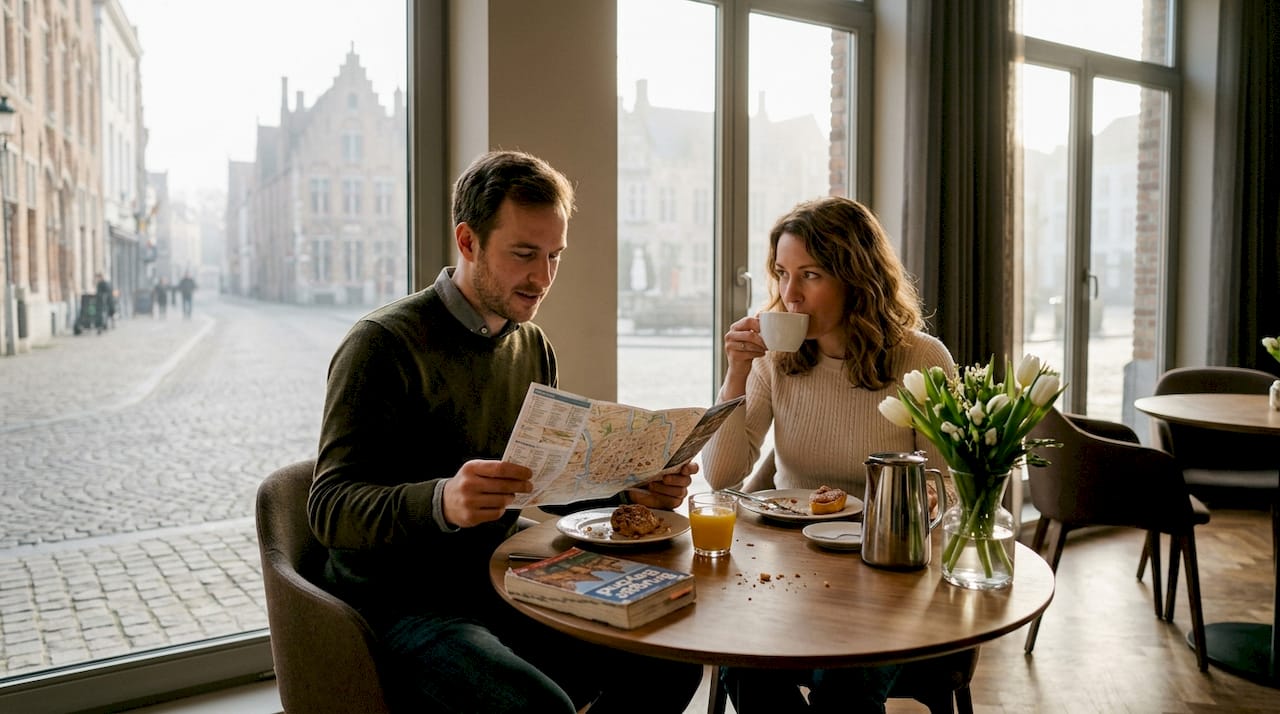


Most travelers assume hotel food is an afterthought: overpriced buffets, uninspired menus, and meals you eat only because you’re too tired to go out. Brugge is quietly dismantling that assumption. A growing number of properties here are pairing lodging with genuinely exciting, health-forward dining that rivals anything you’d find on the cobblestone streets outside. For food enthusiasts and tourists who want every meal to count, this shift matters. Combining where you sleep with where you eat isn’t just convenient; it can become the defining feature of your entire trip. This guide breaks down exactly why, and how to make the most of it.
Table of Contents
- The new appeal of integrated lodging and dining
- Why convenience matters in a city like Brugge
- Beyond just food: Signature experiences and local flavor
- Does blending lodging and dining sacrifice authenticity?
- A fresh perspective: What most guides miss about integrated dining
- Discover more: Healthy lodging and dining options in Brugge
- Frequently asked questions
Key Takeaways
| Point | Details |
|---|---|
| Travel convenience | Combining lodging and dining eliminates stress and saves time, especially in popular cities like Brugge. |
| Authentic local flavors | Integrated venues offer curated menus featuring fresh, regional ingredients for a true taste of Brugge. |
| Unique healthy experiences | You can find vegan, plant-based, and ingredient-focused options by choosing the right hotels. |
| Better value | Combining both services can provide better value and memorable experiences compared to booking separately. |
The new appeal of integrated lodging and dining
Hotel dining used to mean a generic breakfast spread and a bar menu that hadn’t changed in years. That era is fading fast. Across Europe, and especially in food-rich destinations like Brugge, properties are investing heavily in chef-driven concepts, locally sourced ingredients, and dining rooms that attract both guests and curious locals off the street.
The business case is clear. Integrated dining contributes roughly one-third of total revenue at luxury and upscale properties, making it a serious strategic priority rather than a side offering. Hotels that treat food and beverage as a brand differentiator are winning on both occupancy and reputation.
What’s driving this from the guest side? A few things:
- Demand for unique experiences: Travelers, especially those visiting historic cities, want meals that feel curated, not generic.
- Health-conscious eating: More guests arrive with dietary preferences, from vegan to gluten-free, and expect those to be met with creativity, not reluctance.
- Social media visibility: Vibrant, visually striking dishes have become part of the travel story people share online.
- Local ingredient storytelling: Guests want to taste the region, not just see it.
“The most successful hotel F&B programs don’t just feed guests, they give them a reason to stay on property and come back.”
Brugge is a perfect environment for this shift. The city’s walkable but busy historic center means that navigating crowds to find a quality meal can eat into your day. When a property offers something genuinely worth eating steps from your room, that’s not just convenience. It’s a competitive advantage that smart travelers are starting to prioritize when booking.
Why convenience matters in a city like Brugge
Brugge draws millions of visitors each year, and during peak seasons, the most popular restaurants fill up fast. Waiting an hour for a table when you’ve already spent the morning navigating canal tours and museum queues isn’t anyone’s idea of a relaxing trip.
Seamless access to meals without leaving your property changes the rhythm of your day entirely. You wake up, eat well, and head out energized. You return in the afternoon, refuel without the stress of finding somewhere decent, and still have time to explore in the evening.

Here’s a quick comparison of how the two models stack up:
| Factor | Standalone dining | Integrated lodging and dining |
|---|---|---|
| Wait times | Often 30 to 60 minutes in peak season | Minimal, often table-ready |
| Dietary flexibility | Varies widely | Increasingly customized |
| Meal timing | Fixed by restaurant hours | More flexible |
| Stress level | Higher during busy periods | Significantly lower |
| Local ingredient focus | Inconsistent | Often a core brand value |
If you’re planning a trip around food, here’s a practical approach:
- Research properties that list their dining philosophy upfront, not just room amenities.
- Check whether the menu changes seasonally, a sign of genuine ingredient commitment.
- Look for vegan or superfood options if that matters to your diet.
- Confirm delivery or takeaway availability if you want flexibility beyond the dining room.
- Read recent guest reviews specifically about the food, not just the rooms.
Pro Tip: Book properties that offer both on-site dining and delivery partnerships. This gives you the best of both worlds: a sit-down experience when you want it, and the option to eat in your room after a long day of sightseeing.
Beyond just food: Signature experiences and local flavor
Combining lodging and dining isn’t just about convenience. It’s about elevating the entire travel experience through intentional, ingredient-driven storytelling.
The best integrated properties in Brugge don’t just serve food. They build a culinary identity. That might mean a breakfast menu built around local farms, a lunch bowl featuring acai and seeds sourced from specialty suppliers, or a dinner that references Flemish cooking traditions through a modern, plant-based lens.

Local sourcing within 30km is increasingly the benchmark for serious dining programs, turning what was once a cost center into a genuine brand asset. When a hotel commits to that standard, every meal becomes a small act of regional storytelling.
Here’s what a strong integrated dining portfolio typically looks like:
| Offering | What it signals |
|---|---|
| Signature breakfast bowls | Commitment to fresh, daily preparation |
| Vegan and superfood menus | Health-forward, inclusive approach |
| Seasonal menu rotation | Real ingredient sourcing, not frozen stock |
| Instagram-worthy presentation | Attention to detail and guest experience |
| Specialty drinks and wellness options | Full lifestyle alignment, not just food |
Some properties in Brugge are already setting this standard. Vegan everything at PLANT BASED b&b offers an exclusively plant-based menu with a 9.0 out of 10 guest rating, proving that dietary specificity doesn’t mean sacrificing quality or satisfaction. Hotel De Tuilerieën takes a different approach, leaning into refined local flavors that feel rooted in Belgian culinary heritage.
- Fresh bowls and wraps prepared daily with visible, whole ingredients
- Acai-based options that bring superfood nutrition into a travel context
- Vibrant color palettes that make every dish feel intentional
- Specialty drinks that complement the food rather than just filling a menu slot
This is what separates a property that feeds you from one that genuinely nourishes your trip.
Does blending lodging and dining sacrifice authenticity?
Some travelers hold a firm belief: real food experiences happen outside hotels. The best meals, they argue, are found in family-run spots down a side street, not in a dining room attached to a lobby.
It’s a fair instinct. But the reality in Brugge is more nuanced.
Hotels attract locals and non-guests by hiring prestige chefs and building reputations that blur the line between hotel restaurant and destination dining. When a property’s dining room draws the same crowd as a standalone restaurant, the authenticity argument starts to lose its edge.
Consider what modern integrated dining actually offers:
- Renowned local chefs who bring genuine culinary credibility to hotel kitchens
- Regionally inspired menus that reflect Brugge’s food culture, not a generic European template
- Health-driven innovation that many traditional restaurants haven’t caught up with yet
- Consistent quality control that standalone spots sometimes struggle to maintain during peak tourist season
“The most exciting food in Brugge right now isn’t always on a side street. Sometimes it’s steps from your pillow.”
Pro Tip: If authenticity matters to you, look for hotel dining programs that name their ingredient suppliers or feature rotating guest chefs from the local food scene. These are strong signals that the kitchen is genuinely connected to the region.
The honest truth is that blended venues are often leading food trends, not following them. A property committed to plant-based superfoods, local sourcing, and daily fresh preparation is frequently more innovative than a neighborhood restaurant running the same menu for a decade.
A fresh perspective: What most guides miss about integrated dining
Most travel guides frame integrated lodging and dining as a convenience play. Stay here, eat here, save time. That framing undersells what’s actually happening in Brugge’s best properties.
The real value is immersion. When a hotel builds its dining program around regional ingredients, health-forward preparation, and visual intentionality, it stops being a place you sleep and becomes a place you experience. Every meal reinforces where you are and why you came.
Affluent travelers prioritize unique on-property dining post-pandemic, and that shift has pushed properties to compete on culinary identity, not just thread count. The result is a new category of travel experience where the dining room is as memorable as the destination itself.
For food enthusiasts visiting Brugge, this means fewer compromises. You don’t have to choose between eating well and eating conveniently. The best integrated properties have collapsed that trade-off entirely. They offer locally conscious, health-driven menus that feel authentic precisely because they’re built around the region, not despite it.
The assumption that hotel food is generic is outdated. In Brugge, it’s increasingly the opposite.
Discover more: Healthy lodging and dining options in Brugge
If this guide has shifted how you think about planning your Brugge trip, the next step is finding a property that actually delivers on these ideas. Not every hotel that mentions “fresh ingredients” follows through.

Wild foodz by Hotel Entree is one of Brugge’s standout examples of integrated lodging and healthy dining done right. Fresh bowls, salads, wraps, and specialty drinks are prepared daily, with extensive vegan options featuring superfoods like acai. The presentation is vibrant and Instagram-worthy, and the service is flexible: dine in, take away, or order via Deliveroo, UberEats, or Takeaway.com. This February 2026, they’re also featuring Red Velvet Heart Waffles for Valentine’s Day, making it an especially memorable time to visit.
Frequently asked questions
Are integrated dining and lodging options more expensive than booking separately?
Integrated options in Brugge can be price-competitive, with the added value of convenience and unique dining experiences. At upscale properties, food and beverage can represent up to one-third of the total value offered, making the combined package genuinely worthwhile.
Do hotel restaurants in Brugge offer vegetarian or vegan menus?
Yes, several properties offer exclusively plant-based or vegan menus. PLANT BASED b&b is a strong example, holding a 9.0 out of 10 guest rating while serving vegan everything, making it ideal for health-focused travelers.
Can non-guests eat at hotel dining venues in Brugge?
Many hotels now welcome locals and non-guests, especially when the dining program is led by a recognized chef or built around a signature concept. Hotels blur the line between guest and local dining more than ever before.
Is food quality at integrated dining venues as high as standalone restaurants?
Hotel restaurants that prioritize local sourcing and feature signature chefs frequently match or surpass standalone venues, especially during peak tourist season when neighborhood spots can struggle with consistency.
Leave a Reply