

TL;DR:
- Boutique hotels offer personalized service and unique design reflecting local culture.
- They focus on immersive experiences, authentic cuisine, and neighborhood connections.
- Guests enjoy higher satisfaction, longer stays, and a sense of belonging in these tailored properties.
Choosing where to stay can make or break a trip. You can book the familiar chain with its predictable layout and loyalty points, or you can take a chance on something more alive, more personal, and far more memorable. Boutique hotels sit in a category of their own, drawing travelers who want to feel like guests rather than room numbers. For food lovers especially, these properties often deliver experiences that a standard hotel simply cannot match. This article breaks down seven compelling reasons why boutique hotels continue to win over discerning travelers, and what you should know before you book.
Table of Contents
- Personalized service that makes you feel valued
- Unique design and immersive local culture
- Food forward: Culinary experiences for enthusiasts
- Immersion and connection: Local ties and curated experiences
- Quiet luxury: Intimacy, flexibility, and guest satisfaction
- Is a boutique hotel right for you? Our take
- Experience local flavor and service with every stay
- Frequently asked questions
Key Takeaways
| Point | Details |
|---|---|
| Personalized guest experiences | Boutique hotels excel in making guests feel known and valued through attentive service. |
| Immersive local culture | Unique designs and tight ties to local neighborhoods give every stay a sense of place. |
| Culinary excellence | Locally sourced food and inspired menus make dining as memorable as the room. |
| Quiet, flexible luxury | Boutique hotels offer intimacy, tailored events, and quick adaptability for guest needs. |
| Higher guest satisfaction | Empirical evidence of longer stays, better reviews, and willingness to pay more. |
Personalized service that makes you feel valued
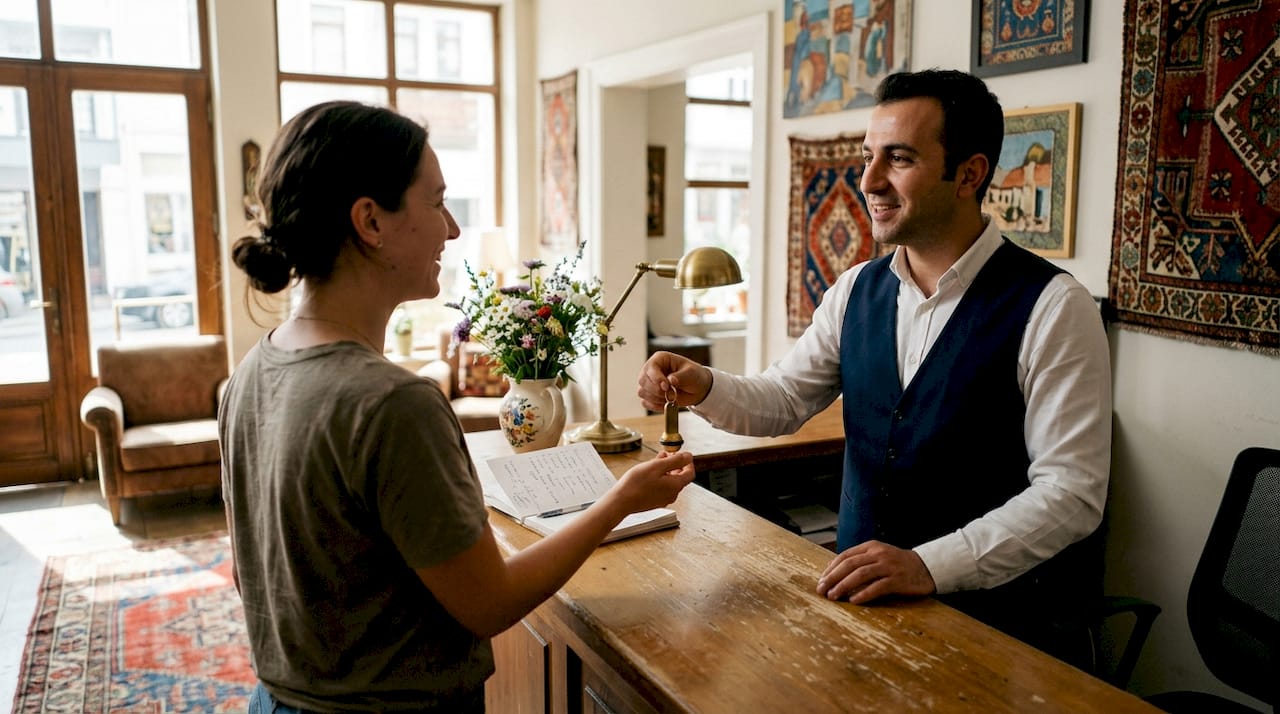
What separates a good stay from one you talk about for years? Often, it comes down to how the people around you make you feel. Boutique hotels are built on a foundation of genuine hospitality, where staff take the time to learn who you are.
From the moment you check in, the experience feels different. Staff members remember your name, your coffee order, and whether you prefer a quiet corner table or a window seat. That level of attention is not accidental. It is a deliberate operating model. Boutique hotels provide highly personalized service, with staff remembering guest names, preferences, and offering tailored local recommendations, unlike the standardized protocols of chain hotels.
Here is what that looks like in practice:
- Staff arranging off-menu meals based on dietary needs or cravings
- Custom room setups for anniversaries, birthdays, or special occasions
- Personalized city guides based on your actual interests, not generic tourist maps
- Flexible scheduling that accommodates your travel rhythm
Large chains operate at scale, which means standardized procedures are necessary. That is not a criticism, it is just math. But when you want someone to actually notice you, boutique properties win every time.
“The best hotel stays are the ones where you feel like someone was expecting you specifically.”
Pro Tip: When booking a boutique hotel, mention a preference or occasion in your reservation notes. Most boutique staff will act on it before you even arrive.
This attentiveness directly impacts satisfaction and repeat visits. Guests who feel seen tend to return, and they bring friends.
Unique design and immersive local culture
Personal touches are just the beginning. The ambiance matters too. Boutique hotels turn each stay into a sensory journey through unique design that tells a story about where you are.
Walk into a boutique property and you immediately know you are somewhere specific. The art on the walls might be from a local painter. The furniture could be sourced from a nearby craftsman. The color palette might echo the neighborhood’s architectural history. Unique design and aesthetics reflecting local culture, an owner’s vision, or specific themes create memorable atmospheres that chain uniformity simply cannot replicate.

No two boutique hotels are alike. That is the point. Compare that to the chain model:
| Feature | Boutique hotel | Chain hotel |
|---|---|---|
| Interior design | Unique, locally inspired | Standardized brand template |
| Artwork | Local artists, curated | Generic or branded prints |
| Cultural connection | Deep, neighborhood-rooted | Minimal or absent |
| Guest memory | Highly distinctive | Often interchangeable |
| Atmosphere | Storytelling-driven | Comfort-and-function driven |
Beyond aesthetics, boutique hotels often act as cultural storytellers. They express the history of a building, a neighborhood, or a community. Staying in one feels like reading a book about a place rather than just passing through it.
For travelers drawn to immersive boutique hotel design, this kind of environment deepens the connection to a destination. You leave with memories tied to a specific place, not a generic room that could be anywhere in the world.
- Locally commissioned murals and sculpture
- Architecture that preserves historical character
- Scent, music, and lighting curated to reflect local identity
Food forward: Culinary experiences for enthusiasts
Aesthetics set the scene, but for many travelers, the real magic is on the plate. Boutique hotels charm food enthusiasts in ways that chain dining rarely manages.
The difference starts with intention. Boutique hotel restaurants are not afterthoughts. They are often the reason guests choose the property in the first place. Superior food offerings for enthusiasts feature locally sourced ingredients, pop-up chefs, intentional menus, and Michelin-recognized dining that elevates the entire stay.
Here is what the culinary landscape at boutique hotels often looks like:
| Dining element | Boutique hotel | Chain hotel |
|---|---|---|
| Menu philosophy | Seasonal, local, chef-driven | Standardized, broad appeal |
| Ingredient sourcing | Farm-to-table, regional | Centralized supply chain |
| Chef profile | Independent, often award-winning | Corporate-appointed |
| Dining atmosphere | Intimate, designed | Functional, high-volume |
Boutique properties frequently collaborate with pop-up chefs, local farmers, and artisan producers. The result is a menu that changes with the seasons and reflects the region’s culinary identity.
- Breakfast menus built around local bakeries and dairy farms
- Dinner menus that rotate based on what the market offers that week
- Specialty drinks featuring regional ingredients and house-made syrups
- Vegan and superfood options that go beyond token salads
Pro Tip: Ask the front desk which menu items are exclusive to the property. Often, the most memorable dishes are the ones that never make it to a review site.
For food lovers, the hotel becomes part of the culinary journey, not just a base camp.
Immersion and connection: Local ties and curated experiences
Beyond the hotel doors, the true appeal is how seamlessly boutique properties connect guests to the heartbeat of the city.
Chain hotels are designed to be self-contained. Boutique hotels are designed to be gateways. The staff know the neighborhood because they live in it. They know which bakery opens early, which gallery has a private showing on Thursdays, and which market is worth waking up for.
Strong local immersion through relationships with neighborhood businesses, hidden spots, and curated experiences tied to the destination gives boutique guests access that no travel app can replicate.
Here is how that immersion typically unfolds:
- Arrival orientation that maps the neighborhood’s personality, not just its landmarks
- Curated walking routes created by staff who actually use them
- Introductions to local artisans, chefs, or gallery owners through hotel partnerships
- Exclusive access to events or workshops not listed on public platforms
- Recommendations for authentic local experiences that tourists rarely find on their own
“A great boutique hotel does not just put you in a city. It puts you inside it.”
Collaborations with neighborhood restaurants, independent shops, and local galleries deepen the guest’s cultural connection. You stop being a tourist passing through and start feeling like a temporary resident who belongs.
This sense of community and discovery is genuinely absent from larger hotel chains, where the priority is volume and consistency rather than connection.
Quiet luxury: Intimacy, flexibility, and guest satisfaction
These curated connections foster lasting memories, but it is the blend of peaceful setting and service flexibility where boutique hotels truly shine.
Fewer rooms mean fewer crowds. That translates directly into a calmer environment, more attentive staff ratios, and interactions that feel meaningful rather than transactional. When the lobby holds twenty guests instead of two hundred, the energy is completely different.
Operational agility allowing flexible services like adjusted check times, custom events, and quick adaptations is simply not possible in rigid chain structures. Need a late checkout for a red-eye flight? A boutique hotel will often say yes. Want a private dinner set up in your room? Done.
Key advantages of boutique hotel operations:
- Flexible check-in and check-out that fits your schedule
- Custom event planning for groups or special occasions
- Rapid response to guest feedback during the stay
- Staff empowered to make decisions without escalating to management
The numbers support this too. Boutique hotels show higher guest satisfaction in reviews, longer stays averaging 22% more time, a higher average daily rate of $28 more than comparable chains, and 85% shoulder occupancy. Guests are not just happier; they stay longer and pay more willingly.
That premium reflects real value. When a hotel knows your name, feeds you exceptionally, and connects you to a place in a meaningful way, the price difference feels like a bargain.
Is a boutique hotel right for you? Our take
Having explored the standout strengths of boutique hotels, here is our honest take on when they are the ideal choice, and when they are not.
Boutique hotels are built for travelers who prioritize experience over predictability. If you value a memorable, one-of-a-kind stay over loyalty points and standardized amenities, a boutique property will almost always deliver more. They are especially well-suited for leisure travel, cultural exploration, and food-focused trips where the environment itself is part of the journey.
That said, quality and reliability vary more than with chains, so checking recent guest reviews is essential before booking. A boutique hotel with outdated reviews may have changed ownership or shifted its standards.
It is also worth knowing that true boutiques are independent properties under 100 rooms, not chain-owned “boutique” brands. Authenticity and local ties are what define the category. A major brand with a trendy aesthetic is not the same thing.
For business travel, airport proximity, or situations where you need guaranteed facilities at scale, chains remain practical. But for the kind of trip you actually remember? Boutique wins.
Experience local flavor and service with every stay
Everything we have covered points to one truth: the best stays are the ones that feel personal, flavorful, and rooted in a real place. Boutique hotels deliver on all three fronts, from their immersive design and attentive service to their food-forward menus and neighborhood connections.

At Wildfoodz boutique experiences, that philosophy comes to life through vibrant, health-focused meals crafted fresh every day. Think colorful bowls, nourishing wraps, and specialty drinks built around superfoods and seasonal ingredients. Whether you are grabbing a takeaway or ordering delivery through Deliveroo, UberEats, or Takeaway.com, every meal is designed to feel like a genuine experience. And throughout February 2026, the Red Velvet Heart Waffles are a must-try for anyone visiting or staying nearby. This is boutique food culture at its most joyful.
Frequently asked questions
How are boutique hotels different from chain hotels?
Boutique hotels offer personalized service and unique aesthetics reflecting local culture, while chain hotels focus on uniformity and standardized amenities across all locations.
Are boutique hotels more expensive than regular hotels?
Boutique hotels typically charge around $28 more per night than comparable chains, but that premium reflects custom service, local flavor, and a more memorable overall experience.
What makes boutique hotels appealing to food enthusiasts?
Boutique hotels frequently feature locally sourced, Michelin-recognized dining with seasonal menus and chef collaborations that turn every meal into a destination-worthy experience.
Is the quality of boutique hotels as reliable as chains?
Quality can vary, so checking recent guest reviews before booking is essential. True independent boutiques deliver authenticity, but standards differ more than with chain properties.
Leave a Reply