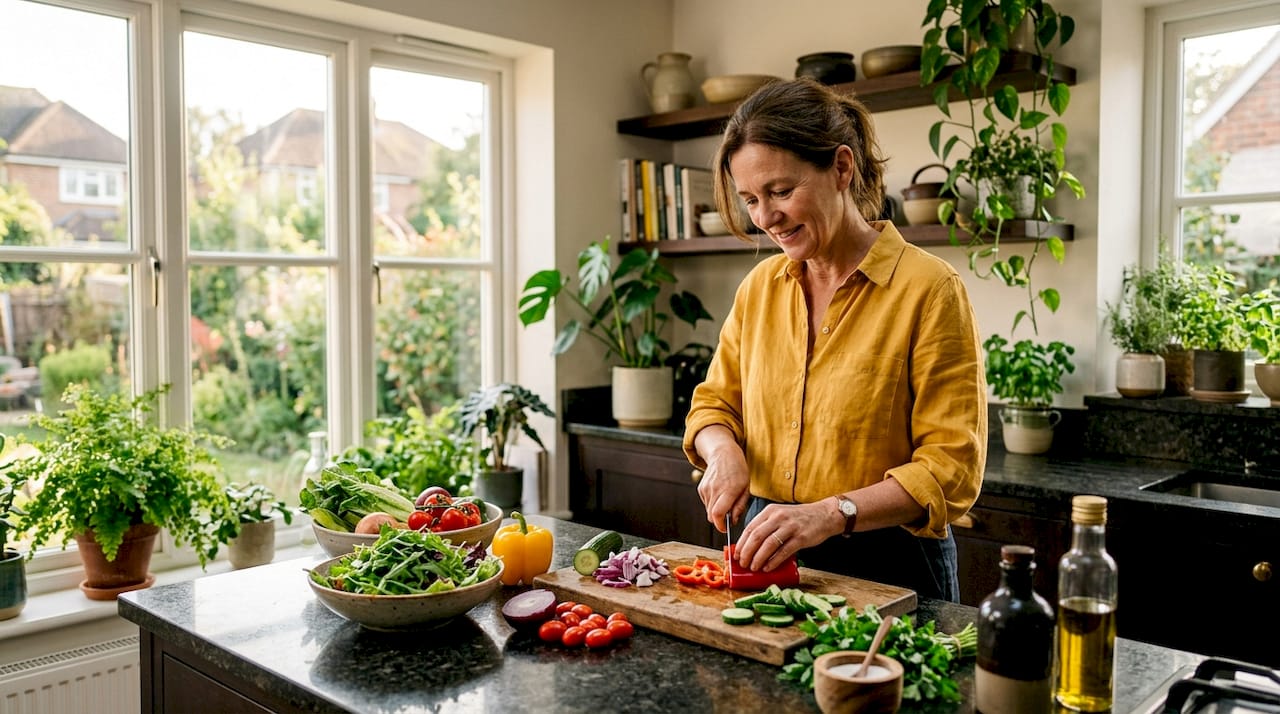


TL;DR:
- Fresh prepared food retains more nutrients, flavor, and aroma than processed or frozen alternatives. Eating fresh meals regularly can lower risks of heart disease, cognitive decline, and chronic illness. Even one home-cooked meal per week offers measurable health and mental benefits.
Fresh prepared food is defined as meals made from whole, minimally processed ingredients that are cooked or assembled shortly before eating. The gap between fresh meals and their processed counterparts is not a matter of preference. It is a measurable difference in nutrition, flavor, and long-term health. Research links regular consumption of fresh, home-style meals to lower risks of heart disease, cognitive decline, and chronic illness. Understanding why fresh prepared food matters gives you a real foundation for making choices that pay off every day.
Why fresh prepared food matters for your health
Fresh food preserves antioxidants, vitamins, and minerals at levels that processed alternatives rarely match. Heat treatment, preservatives, and long storage timelines all degrade micronutrients. When a meal is assembled and cooked close to the time you eat it, those nutrients arrive largely intact.
Harvard Health research confirms that food quality over macronutrients is the stronger predictor of heart health. Diets built around whole foods, plant-based proteins, and unsaturated fats reduce cardiovascular disease risk by roughly 15% compared to diets dominated by processed options. That number reflects a pattern, not a single meal, but the pattern starts with daily choices.
The cognitive benefits are equally striking. Cooking from scratch weekly lowers dementia risk by 23% in older men, and by 67% in those with limited prior cooking experience. The study tracked nearly 11,000 adults aged 65 and older. Frequency matters more than culinary skill.

Fresh meals also support mental health in a way that processed food cannot replicate. Cooking acts as a mental reset, and more than 70% of home cooks report the activity as stress-relieving rather than stressful. Chronic stress is a direct contributor to poor physical health outcomes, so this benefit compounds over time.
Key fresh food health benefits at a glance:
- Micronutrient retention: Vitamins C and B are especially sensitive to heat and oxidation. Fresh meals minimize exposure time.
- Lower sodium load: Whole ingredient cooking puts you in control of salt, unlike most packaged meals.
- Reduced additive exposure: Fresh preparation avoids the preservatives, artificial colors, and flavor enhancers common in processed products.
- Cognitive protection: Regular cooking frequency correlates with measurable reductions in dementia risk.
- Stress reduction: The act of preparing food provides a structured, sensory break from daily pressure.
Pro Tip: You do not need to cook every night to see results. Even one scratch-cooked meal per week produces measurable health and cognitive benefits, according to research on adults 65 and older.
Does fresh food actually taste better?
The short answer is yes, and the reason is structural. Fresh meals retain original texture, flavor, and aroma in ways that frozen or long-stored alternatives cannot. When food freezes, ice crystals form inside cell walls. Those crystals rupture the structure of vegetables and proteins. The result is a softer, less vibrant product once thawed and reheated.
Fresh vegetables stay crisp. Fresh proteins remain tender. Grains cooked from scratch keep a consistent bite. These are not minor differences. They change how satisfying a meal feels and how much you actually enjoy eating it.
Aroma plays a larger role in taste than most people realize. Volatile aromatic compounds in herbs, citrus, and freshly cooked proteins dissipate quickly. A meal served within minutes of cooking delivers those compounds at full intensity. A reheated frozen meal delivers a fraction of the same experience.
The sensory advantages of fresh prepared meals include:
- Color vibrancy: Fresh produce holds its pigment. Frozen and canned options often look dull by comparison.
- Textural contrast: A fresh bowl with crisp greens, warm grains, and tender protein offers layers of texture that a reheated frozen meal cannot replicate.
- Aroma intensity: Freshly prepared food smells like food. That aroma triggers appetite and satisfaction signals before the first bite.
- Flavor depth: Natural sugars in fresh vegetables caramelize differently than in pre-cooked frozen ones. The result is a more complex, satisfying flavor.
This is exactly why Wildfoodzbyhotelentree prepares its bowls, salads, and wraps daily. Every item is built for both nutrition and visual impact, because the two are inseparable when ingredients are genuinely fresh.
Fresh vs. frozen and processed food: what you need to know
The comparison between fresh and frozen food is more nuanced than most people expect. Freezing does preserve nutrients effectively when produce is frozen at peak ripeness. A bag of frozen peas picked and frozen the same day can outperform fresh peas that spent five days in transit and storage. Nutrient loss begins immediately after harvest, and that timeline is often underestimated.

The problem with most processed frozen meals is not the freezing itself. It is everything added before and after. Many frozen meal products contain sodium levels approaching or exceeding the American Heart Association’s daily limit of 2,300 mg in a single serving. That is a cardiovascular risk packed into a convenient tray.
| Category | Fresh prepared | Plain frozen produce | Processed frozen meals |
|---|---|---|---|
| Nutrient retention | High when eaten promptly | High if frozen at peak ripeness | Variable, often reduced |
| Sodium content | Controlled by cook | Naturally low | Often very high |
| Additives | None | Minimal | Common |
| Texture and flavor | Superior | Acceptable | Often degraded |
| Convenience | Moderate | High | High |
The practical takeaway is to separate plain frozen produce from processed frozen meals. Mixing fresh, frozen, and canned produce based on season, budget, and how quickly you will use it is the approach dietitians recommend. Nutritional benefits come from consistent intake across formats, not from rigid rules.
Pro Tip: Buy fresh for items you will eat within two days. Use plain frozen vegetables for anything you might not get to quickly. Avoid processed frozen meals as a regular habit, not as an occasional convenience.
How to add more fresh prepared meals to your routine
Building a fresh food habit does not require a culinary degree or a large budget. Even simple weekly meals improve health and habits significantly. The research is clear that frequency matters more than complexity.
-
Start with one fresh meal per week. Pick a day, choose three to five whole ingredients, and cook something simple. A grain bowl with roasted vegetables and a protein source takes under 30 minutes and delivers real nutritional value.
-
Shop seasonally. Seasonal produce is fresher, cheaper, and more flavorful than out-of-season alternatives shipped from distant regions. A summer tomato and a winter tomato are not the same food.
-
Combine fresh and frozen strategically. Keep plain frozen vegetables in your freezer for busy nights. Use fresh produce for meals you plan to eat the same day. This reduces waste without sacrificing nutrition.
-
Prep components, not full meals. Cooking a batch of grains or roasting a sheet pan of vegetables gives you building blocks for multiple fresh meals without committing to full meal prep.
-
Store fresh produce correctly. Leafy greens last longer wrapped in a dry paper towel inside a sealed bag. Herbs stay fresh longer stored upright in water, like cut flowers. Proper storage extends the window for eating fresh.
-
Avoid buying more than you can use in three days. Overbuying fresh produce is the fastest route to waste and frustration. Smaller, more frequent shopping trips keep your ingredients at peak quality.
-
Choose local sources when possible. Locally sourced produce spends less time in transit, which means it arrives with more nutrients and better flavor than produce shipped across the country.
Key Takeaways
Fresh prepared food delivers measurable advantages in nutrition, flavor, and mental health that processed and most frozen alternatives cannot replicate.
| Point | Details |
|---|---|
| Health impact is real | Whole food diets reduce cardiovascular risk by 15% and weekly cooking cuts dementia risk significantly. |
| Frequency beats complexity | Cooking fresh even once a week produces meaningful cognitive and physical health benefits. |
| Frozen produce is not the enemy | Plain frozen vegetables retain nutrients well. Processed frozen meals are the problem, not freezing itself. |
| Taste is structurally superior | Fresh meals preserve aroma, texture, and color that freezing and long storage degrade. |
| Small habits build results | Seasonal shopping, strategic freezer use, and correct storage make fresh eating practical on any budget. |
What I have learned from eating fresh every day
Fresh food changed how I feel before it changed how I look. The first thing I noticed was energy. Not the jittery kind from caffeine, but a steady, even energy that lasted through the afternoon. That shift came from cutting out the sodium spikes and additive load of processed meals, not from any dramatic dietary overhaul.
The bigger surprise was how cooking itself became something I looked forward to. There is a real mental benefit to the act of preparing food. Chopping vegetables, smelling fresh herbs, watching something come together in a pan. It is a break from screens and pressure that most people do not think to count as self-care. The research backs this up, but you feel it before you read about it.
The myth that fresh food is complicated or expensive frustrates me. A bowl of cooked farro, roasted sweet potato, fresh spinach, and a soft-boiled egg costs less than most fast food meals and takes about 25 minutes. The barrier is habit, not skill or money. Once you build the habit, fresh eating becomes the default, not the effort.
What I tell anyone starting out: do not try to overhaul everything at once. Add one fresh meal. Then another. The results compound in ways that motivate the next choice.
— Mawghan
Fresh food worth trying at Wildfoodzbyhotelentree
Wildfoodzbyhotelentree prepares fresh bowls, salads, wraps, and specialty drinks daily, using colorful whole ingredients and superfoods like acai. Every meal is built for both nutrition and visual impact, and the menu includes extensive vegan options for every eating style.

Right now, Wildfoodzbyhotelentree is featuring Red Velvet Heart Waffles throughout february 2026 for Valentine’s Day. They are as vibrant and satisfying as the rest of the menu, and they prove that fresh prepared food does not have to mean boring. If you are looking for healthy eating tips on holiday or want to explore seasonal vegan menu ideas, Wildfoodzbyhotelentree has practical guides to help you eat well wherever you are. Delivery is available via Deliveroo, UberEats, and Takeaway.com, plus self-delivery within a 20-mile radius.
FAQ
What is fresh prepared food?
Fresh prepared food refers to meals made from whole, minimally processed ingredients that are cooked or assembled shortly before eating. The key distinction from processed food is the absence of preservatives, artificial additives, and long storage timelines.
How does fresh food impact your health?
Research links regular fresh food consumption to a 15% lower cardiovascular disease risk and significant reductions in dementia risk. The benefits come from higher nutrient retention, lower sodium intake, and reduced exposure to food additives.
Is frozen food as healthy as fresh food?
Plain frozen produce frozen at peak ripeness can match or exceed fresh produce stored for several days after harvest. Processed frozen meals are a different category entirely, often containing sodium levels near or above the American Heart Association’s 2,300 mg daily limit.
How often do I need to cook fresh meals to see benefits?
Cooking a fresh meal from scratch once a week produces measurable health and cognitive benefits. A study of nearly 11,000 adults aged 65 and older found that weekly cooking frequency reduced dementia risk by 23% in men.
Does fresh food really taste better than frozen?
Fresh meals preserve the aroma, texture, and color that freezing degrades through ice crystal formation in food cell walls. Fresh vegetables stay crisp, proteins stay tender, and volatile flavor compounds remain at full intensity when food is eaten shortly after cooking.
Recommended
- Holiday Meal Prep Tips for Busy Home Cooks in 2026 – Wild Foodz by Hotel Entree Brugge
- Benefits of Seasonal Produce: Your 2026 Nutrition Guide – Wild Foodz by Hotel Entree Brugge
- Why Choose Local Food Services for Better Meals – Wild Foodz by Hotel Entree Brugge
- Tips for Eating Healthy on Holiday: 2026 Guide – Wild Foodz by Hotel Entree Brugge
Leave a Reply